
How Often Does a Septic Tank Need Cleaning?
Three to five years is the standard range for a household tank, and that spread exists because tank size and household size push the number in different directions. A bigger tank holds more capacity before solids reach a problem level. More people in the house means more waste going in, which shortens the interval. A family of six on a smaller tank might need service every two years, similar to what our how often to pump a septic tank guide walks through step by step. A couple in a larger, newer home might stretch closer to five. If you are not sure which end of that range fits your Lenexa property, septic tank cleaning service can check sludge depth and tell you where you stand instead of guessing. Waiting too long is the expensive mistake. Once solids reach the outlet baffle, they migrate into the drain field, and drain field repair or replacement runs far past the cost of a pump-out. Regular service protects that investment, and pairing it with a septic tank pumping cost estimate helps you budget ahead of time.
What Determines Septic Tank Cleaning Frequency?
Three things drive the interval: tank size, household size, and what goes down the drains. A tank that is undersized for the household will fill faster no matter how careful anyone is. Garbage disposals add solids and shorten the interval too, a topic covered further in our septic tank cleaning overview. Water softener backwash and heavy laundry days can also push more liquid through the system than a smaller tank handles well. None of this is unique to Lenexa, but local soil and lot size can affect how forgiving a drain field is when a tank runs long between services, which is worth reviewing alongside our service areas page for context on nearby properties. If you're building a schedule for the first time, septic pumping service providers can set an interval based on your actual tank and household rather than a generic number. Watch for warning signs between scheduled visits too. Slow drains, gurgling pipes, and standing water near the drain field usually mean the tank is fuller than expected. Our page on septic tank warning signs covers what to look for before a backup happens inside the house.
Why Does a Grease Trap Need Different Timing?
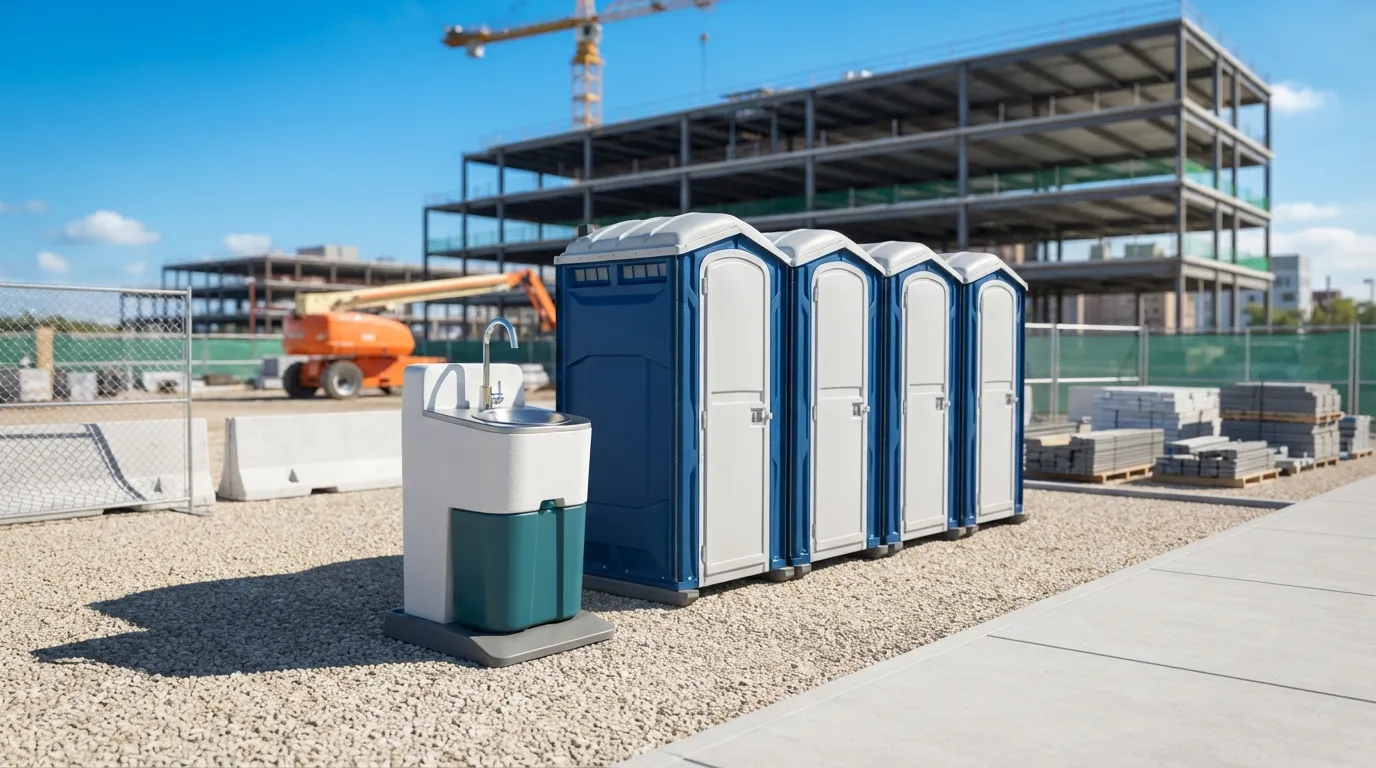
Grease traps and interceptors run on a completely different clock than a residential septic tank, because the buildup mechanism is different. A grease interceptor gets pumped once fats, oils, grease and solids reach 25 percent of the liquid depth, which for a busy kitchen can happen in weeks rather than years. Restaurants, food trucks, and commercial kitchens around Lenexa need to check that percentage regularly rather than relying on a calendar interval, and some also rent a portable sink rental unit for extra handwashing capacity during busy service. Grease trap pumping service handles that measurement and pump-out on its own schedule, separate from any residential septic work. If your property has both a septic tank and a grease interceptor, expect two different maintenance calendars, not one combined schedule, much like a construction site services project juggles separate sanitation and waste schedules.
Should You Wait for Warning Signs or Schedule Ahead?
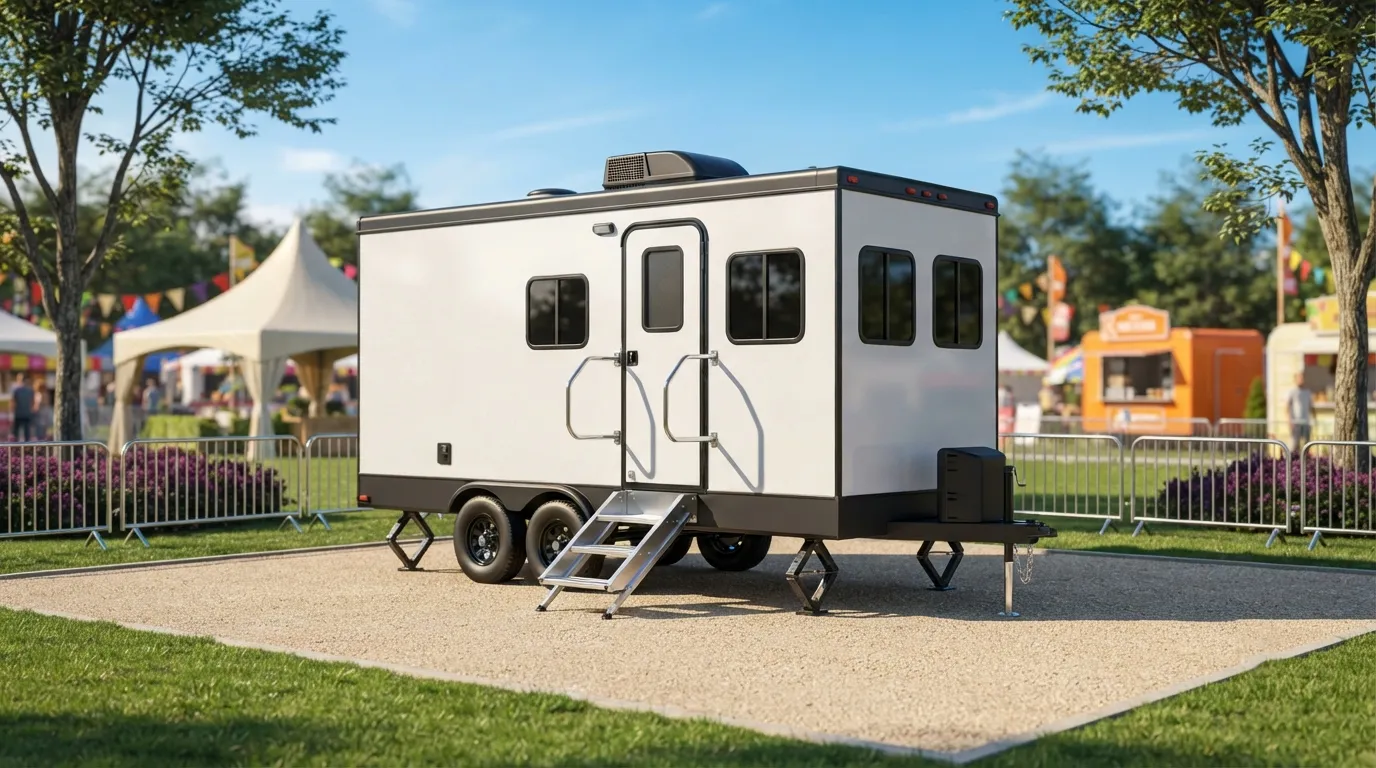
Scheduling ahead beats waiting for a problem every time, because septic backups tend to show up at the worst possible moment. Slow-draining sinks, a soggy patch over the drain field, or a sewage smell near the tank are all late-stage signs that the system is already stressed. By the time water is backing up into a tub or toilet, solids have likely reached the outlet and started moving into the drain field. That is when a routine pump-out turns into a drain field repair. Setting a 3 to 5 year reminder based on your tank size and household avoids that entirely, the same way a porta potty rental checklist keeps other site logistics from slipping through the cracks. If you are past due and starting to see signs, emergency septic service can get someone out fast rather than letting it progress. For anyone unsure what their tank actually holds, a service visit can confirm the size and set a realistic pumping calendar going forward, whether that means every two years or closer to five.
Pricing for a standard pump-out visit runs in this range for the Lenexa area:
| Service | Duration | Typical Price Range |
|---|---|---|
| Septic pumping | Single day visit | $150 to $300 |
| Septic pumping | Weekend service call | $50 to $150 |
For a full cost breakdown by tank size and condition, see septic tank pumping cost, and if you are also managing debris from a related project, roll-off dumpster rental can handle the cleanup. If your property needs a temporary holding tank while septic work is done, holding tank rental covers that gap. And if a construction or renovation project nearby needs sanitation while the septic system is offline, portable toilet rental or porta potty rental in Lenexa can bridge the days between pump-out and restored service. Homeowners in nearby Merriam, about 9.9 miles northeast, and Prairie Village, roughly 10.3 miles east, face the same 3 to 5 year decision on their own systems. Mission sits about 11.4 miles northeast and deals with similar tank-age questions on older homes. Leawood, 13.9 miles southeast, and Gardner, 19.6 miles southwest, round out the towns where this same maintenance rhythm applies. For general septic questions beyond pumping frequency, our septic pumping service page is the hub for scheduling, sizing, and emergency calls across the region.
How do I know what size my septic tank is?
Check your original permit paperwork or ask your pumping service to measure it during a visit. A 1,000 gallon tank is common for smaller households, but larger homes may have bigger tanks. Sizing determines your interval more than any other factor, so confirming it first makes the 3 to 5 year window accurate for your property.
Does a garbage disposal change my pumping schedule?
Yes. A garbage disposal adds more solid waste to the tank, which fills it faster than a household without one. If you run a disposal regularly, lean toward the shorter end of the 3 to 5 year range rather than the longer end, and check sludge depth sooner if you notice slow drains.
What happens if I skip a scheduled pumping?
Solids build past the outlet baffle and start moving into the drain field, which is a far more expensive repair than a pump-out. Watch for slow drains, gurgling, or standing water near the field. Our septic tank warning signs page details what to check before it gets worse.
Is grease trap pumping the same schedule as septic pumping?
No. Grease interceptors get pumped based on a 25 percent depth threshold, which can happen in weeks for a busy kitchen. That is a separate schedule from the 3 to 5 year residential septic interval, so commercial kitchens need their own monitoring routine through grease trap pumping.
Can I get emergency septic service same day in Lenexa?
Emergency response is available when a tank backs up unexpectedly. Emergency septic service is built for exactly that situation, prioritizing fast dispatch over a routine scheduled visit. Call as soon as you notice backup symptoms rather than waiting to see if it clears on its own.
Next step
Get a delivery date
Tell us the address, the dates and the headcount. We size the order and confirm the route.